US and Iran Clash Over Strait of Hormuz

Admin New
Daftar Isi
Escalating Tensions in the Strait of Hormuz
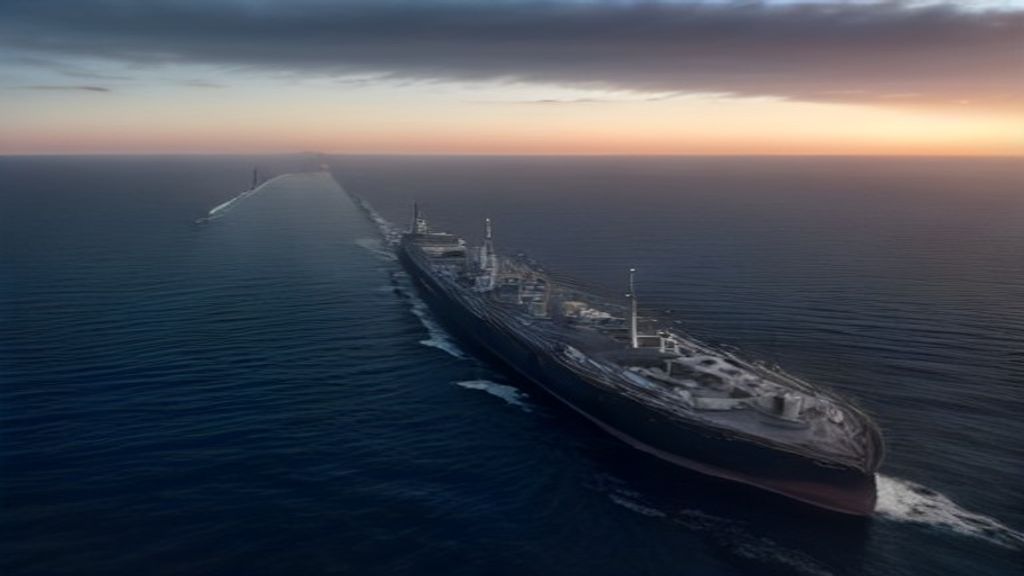
Geopolitical tensions between the United States and Iran have once again reached a boiling point, capturing the attention of the international community. The central focus of this fierce confrontation is the Strait of Hormuz, a narrow and highly strategic waterway that serves as the primary artery for global oil trade. Former US President Donald Trump recently made a bold and controversial claim, stating that the United States now holds absolute control over this vital region. This declaration immediately sparked intense reactions from various global stakeholders, considering that millions of barrels of crude oil pass through this chokepoint every single day. If this shipping lane is disrupted, the subsequent impact on the stability of global energy supplies would be massive and devastating.
America's Unilateral Declarations
Trump’s assertive statements regarding total dominance over the Strait of Hormuz have raised fresh concerns among international security analysts. The narrow maritime corridor separating the Arabian Peninsula and Iran is of critical importance. Nearly one-fifth of the world’s total oil consumption relies heavily on the smooth and secure transit of oil tankers navigating these waters. The bold claims originating from the United States are not merely seen as political rhetoric but are also interpreted as a strong signal emphasizing US military supremacy in the Middle East. Naturally, this aggressive maneuvering has deeply angered Tehran, which has historically viewed the Strait of Hormuz as an integral part of its sovereign territory and strategic zone of influence.
Iran's Absolute Demands
In a swift response to the aggressive posturing of the United States, Iran has refused to remain silent. The government in Tehran promptly issued an official announcement reaffirming its unwavering stance on the matter. Iran has laid out strict and absolute conditions for the United States if it expects access through the Strait of Hormuz to remain open. Although the precise details of these demands are still being thoroughly analyzed by international diplomats, this maneuver serves as a stern warning that Iran possesses the military capability to blockade the strait entirely. The potential closure of the Strait of Hormuz by Iranian armed forces represents a worst-case scenario that energy-consuming nations have feared for decades. High-level negotiations and intensive diplomacy are currently underway to prevent the conflict from spiraling into an open military confrontation.
Significant Impact on Global Oil Markets
The highly volatile situation in the Middle East has had an immediate and palpable impact on global financial and commodity markets. Surprisingly, global oil prices have actually experienced a downward trend for four consecutive days amid the chaos. Investors and market participants appear to be exercising extreme caution, adopting a strictly wait and see approach. They are anxiously anticipating concrete results from the ongoing diplomatic efforts involving Iran, the United States, and their respective allies. While this decline in prices often seems like an anomaly during an international crisis, analysts firmly believe that the market is banking on negotiations yielding a peaceful resolution. If diplomacy fails and the threat of a blockade materializes, crude oil prices are guaranteed to skyrocket, fueling rampant inflation and severely threatening global economic recovery.
The Necessity of Diplomatic Solutions
The international community, including the United Nations and the European Union, continues to urge both nations to refrain from further provocative actions. The global economy's deep reliance on stability in the Gulf region simply cannot be understated. Even the slightest escalation could trigger a catastrophic energy supply chain crisis that would severely harm both developing and developed nations. Therefore, sustained diplomacy remains the only viable and logical way out of this standoff. Global leaders remain hopeful that both the United States and Iran can de-escalate tensions, prioritize rational discourse, and find common ground to ensure long-term international security and economic stability.
Written by
Admin New
Admin • Total Kontribusi: 4517 artikel
Administrator of ModerNews
Reader discussion
Komentar (0)
Share your thoughts respectfully.