Tensions Rise in Ireland vs Israel

Admin New

Daftar Isi
Political Tensions Spill Over into Sports Arena
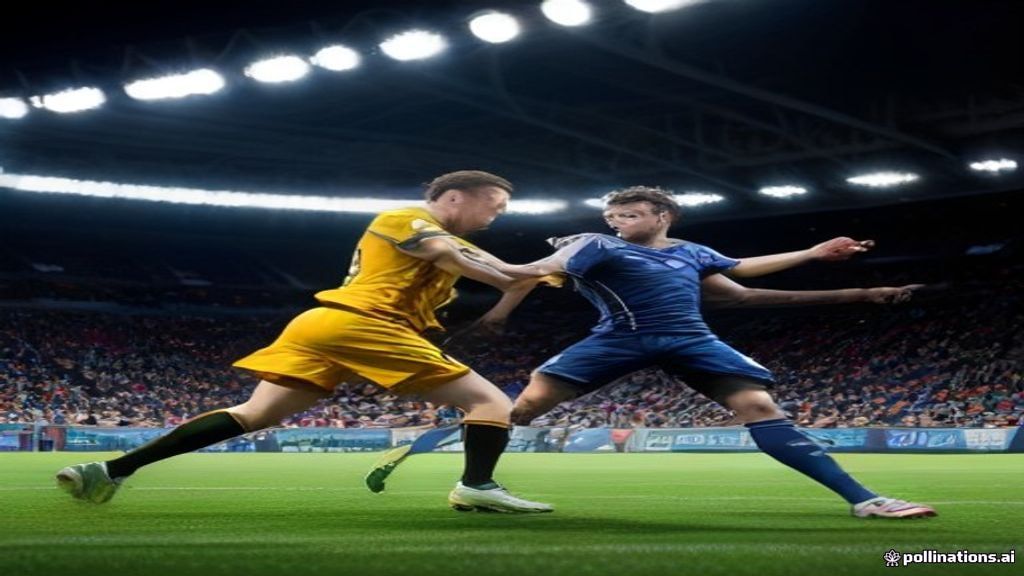
The recent sporting encounters between the national teams of Ireland and Israel have captivated the world's attention, not for the athletic display on the field, but for the profound political tensions that preceded and surrounded the events. In a highly publicized incident, Irish athletes decisively refused to engage in the traditional pre-match handshakes with their Israeli opponents. This decision was deliberately taken as a visible stance of solidarity with Palestine amidst the ongoing and devastating conflict in Gaza.
In international sports, the pre-game handshake is universally recognized as a symbol of mutual respect, sportsmanship, and fair play. However, this customary exchange was glaringly absent when the Irish and Israeli teams met. The refusal to shake hands did not occur in a vacuum; it was the direct culmination of escalating political frictions and deeply controversial statements made by Israeli figures in the days leading up to the fixture, which highly offended the Irish sporting delegation.
Silent Protests and National Anthem Boycotts
The tension extended far beyond the omitted handshakes. During the playing of the Israeli national anthem, widespread reports and video footage indicated that several Irish players kept their heads bowed in a collective, silent protest. They completely ignored the anthem, signaling their deep discomfort and opposition to the actions of the Israeli state. This overt display of defiance sparked a massive wave of global reactions, polarizing audiences. Human rights activists widely praised the athletes for their moral courage, while Israeli officials and media outlets strongly condemned the actions, labeling them as a blatant violation of sporting ethics and institutional neutrality.
The unified stance taken by the Irish athletes deeply reflects the prevailing public sentiment back in their home country. Due to Ireland's own extensive historical struggles with colonization and conflict, a significant portion of the Irish population feels a profound emotional resonance and solidarity with the Palestinian cause. Consequently, it is entirely unsurprising that these deep-seated national sentiments permeated the international sporting arena, fundamentally transforming a standard athletic competition into a highly charged political spectacle.
Heated Press Conferences and Media Confrontations
The friction remained palpable long after the players left the pitch. Away from the sporting action, press conferences involving national team representatives rapidly deteriorated into intense political battlegrounds. Israeli journalists aggressively questioned and confronted the Irish management, demanding explanations for the apparent boycotts and perceived disrespect. According to multiple media outlets, the Irish representatives were subjected to a barrage of hostile questioning. Nevertheless, they firmly defended their players, asserting that the silent protests were a matter of personal freedom of expression and conscience, firmly rooted in the fundamental right to highlight a catastrophic humanitarian crisis.
This dramatic series of events has forcefully reignited the perpetual debate regarding the intersection of sports and politics. While traditionalists argue that sporting events must remain completely isolated from geopolitical conflicts to preserve neutrality, the athletes directly involved clearly demonstrated that ignoring a humanitarian crisis for the sake of appearances is morally unacceptable. For these players, utilizing their global platform to draw attention to the suffering in Gaza was a moral imperative that vastly outweighed the conventional expectations of international sporting protocols.
Future Implications for Global Sports Governing Bodies
The symbolic boycotts and the deliberate abandonment of traditional sporting pleasantries between Ireland and Israel are expected to yield long-lasting implications for international sports governance. Major organizations are now confronted with the exceptionally difficult task of balancing the strict enforcement of sportsmanship regulations against the undeniable human rights of athletes to peacefully protest. This landmark event has set a new precedent, confirming that the modern sporting arena is no longer just a place for athletic supremacy, but also a vital stage for global humanitarian advocacy and political diplomacy.
Written by
Admin New
Admin • Total Kontribusi: 4505 artikel
Administrator of ModerNews
Reader discussion
Komentar (0)
Share your thoughts respectfully.