Solar Flare Hits Earth: Aurora Watch

Admin New
Daftar Isi
Earth Braces for an Approaching Geomagnetic Storm
As we approach the final days of August, Earth is directly in the crosshairs of a significant space weather event. The NOAA Space Weather Prediction Center has officially issued a geomagnetic storm watch, effective from August 27 to 28. This cosmic phenomenon stems from a period of intense and aggressive activity on the surface of our sun, capturing the attention of astronomers and space enthusiasts globally.
The primary catalyst for this impending space weather event is a powerful M6.9 solar flare. This massive eruption triggered a substantial Coronal Mass Ejection (CME), hurling a colossal cloud of charged solar particles out into the depths of the solar system. The trajectory of this energetic plasma cloud is highly Earth-directed, meaning our planet is on a collision course with this solar outburst.
Understanding the Impacts of a G2 Storm
A G2 level geomagnetic storm is classified as a moderate event. While the term storm might sound alarming, it is crucial to understand that Earth's magnetic field acts as a highly effective shield, protecting all biological life on the surface from dangerous solar radiation. However, the modern technology we heavily rely on is much more vulnerable to these magnetic fluctuations.
During a G2 geomagnetic storm, voltage alarms can be triggered in high-latitude power systems. Furthermore, spacecraft operations may require corrective actions due to increased drag on low Earth-orbiting satellites. High-frequency radio communication and GPS navigation systems could also experience intermittent disruptions or signal degradation. Global satellite operators and power grid managers are already monitoring the situation closely and implementing standard precautionary measures.
A Spectacular Display of the Northern Lights
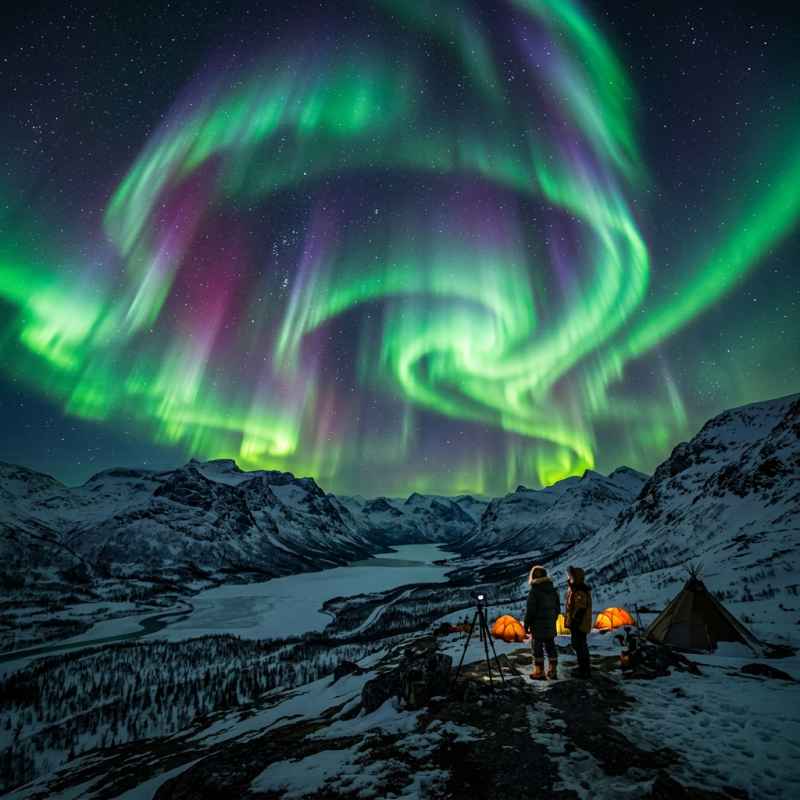
Despite the minor technological inconveniences, this solar tempest brings a breathtaking silver lining. When the charged particles from the CME collide with the gases in Earth's upper atmosphere, they ignite stunning displays of the Aurora Borealis, commonly known as the Northern Lights.
Forecasters anticipate that the auroral oval will expand significantly during the peak of the geomagnetic storm. This means the dazzling, colorful ribbons of light could be visible much further south than their usual polar habitats. For skywatchers and amateur photographers in favorable latitudes, the coming nights promise an excellent opportunity to witness a rare and dazzling celestial light show.
Ongoing Monitoring and Space Weather Forecasting
Space weather experts and automated solar observatories are continuously tracking the progress of the incoming CME. By analyzing the speed and density of the solar wind, scientists can refine their predictions regarding the exact impact time and the potential severity of the geomagnetic disturbances.
The public is encouraged to stay informed by checking updates from official agencies like NOAA. There is no cause for concern for average citizens, as this is a natural consequence of the sun approaching its solar maximum period. Instead of worrying, we can use this event to marvel at the incredible and dynamic nature of our solar system and the beautiful cosmic interactions that occur just above our heads.
Written by
Admin New
Admin • Total Kontribusi: 4505 artikel
Administrator of ModerNews
Reader discussion
Komentar (0)
Share your thoughts respectfully.