Morocco-Spain Crisis: Thousands Breach Ceuta Border

Admin New
Daftar Isi
Humanitarian Tragedy at the European Border
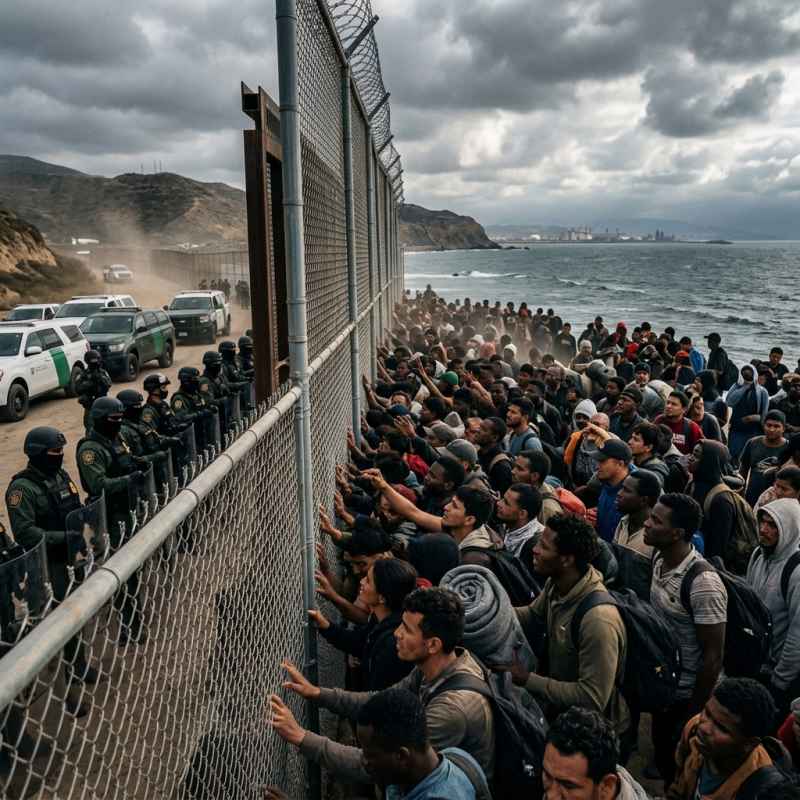
The international community has once again been shocked by a profound humanitarian crisis unfolding at the critical land border between the African and European continents. Thousands of Moroccan citizens, driven by severe economic desperation and the enduring hope for a substantially better life, have taken the extreme and perilous step of breaching the maritime border into Ceuta, a Spanish enclave located on the northern coast of Africa. This massive influx of migrants is not merely an ordinary border incident, but rather the dramatic escalation of long-standing tensions involving highly complex political, social, and economic factors. Amateur footage and on-the-ground reports clearly depict vast crowds of individuals—comprising young men, vulnerable women, and even unaccompanied children—swimming desperately along the treacherous coastline or utilizing makeshift, unsafe vessels just to set foot on what they perceive as the direct gateway to the European Union. This unfolding tragedy sharply highlights both the extreme fragility of border security mechanisms and the immense, crushing pressure experienced by these migrants in their home country.
Government Responses from Morocco and Spain
In rapid response to this unprecedented and uncontrolled wave of migration, the Spanish government immediately implemented emergency measures. Military personnel and specialized border police forces were deployed on a massive scale to rapidly secure the territory of Ceuta and aggressively prevent any further widespread incursions. The Spanish Prime Minister abruptly canceled scheduled state visits to focus entirely on managing this acute crisis, firmly asserting that the territorial integrity of Spain and the external borders of Europe will be resolutely defended at all costs. On the other side of the geopolitical divide, the Moroccan government has finally addressed the incident publicly. Although widespread speculation suggests that the sudden relaxation of border controls by Moroccan authorities was a calculated diplomatic protest against recent Spanish foreign policy decisions, officials in Rabat maintain that they are working diligently to bring the chaotic situation under control. Diplomatic tensions between the two neighboring nations are currently at their highest point in several decades, severely complicating any meaningful efforts to find a peaceful, coordinated, and lasting solution to this severe humanitarian crisis.
Deadly Riots and Escalating Casualties
The situation on the ground rapidly deteriorated into absolute chaos and unimaginable tragedy. Recent, highly alarming reports have confirmed that massive riots erupted violently around the heavily fortified border areas of Ceuta, ultimately resulting in a truly horrifying loss of human life. A staggering total of 90 people have been reported dead as a direct consequence of fierce clashes, extreme physical exhaustion, and tragic drownings during the desperate maritime crossing attempts. This exceptionally high death toll transforms this migration event into one of the most deadly humanitarian disasters in the region's modern history. Local hospitals and emergency medical facilities in Ceuta have been completely overwhelmed, frantically struggling to treat hundreds of incoming migrants suffering from severe hypothermia, critical injuries, and acute dehydration. Prominent international human rights organizations have immediately voiced profound concern, urgently demanding independent investigations to ensure that no grave human rights violations occurred during the aggressive crowd control operations executed by law enforcement agencies.
The Root Cause of the Migrant Crisis
To fully comprehend the vast scale and profound depth of this crisis, the global community must look far beyond the immediate incidents at the border and critically examine the underlying root causes. Systemic poverty, skyrocketing unemployment rates among the youth demographic, and a distinct lack of bright future prospects across North Africa act as the primary catalysts for these massive migration flows. Furthermore, this crisis serves as a harsh reflection of the overarching failures of European Union migration policies, which frequently focus entirely on militarized border security operations without offering comprehensive, sustainable solutions to the fundamental issues plaguing the migrants' countries of origin. Robust international cooperation, rather than merely reactive militaristic responses, is desperately required to effectively address these core problems. Substantial economic assistance, constructive and honest diplomacy, and the immediate establishment of legal, safe migration pathways are critical steps that must be seriously considered by world leaders if they genuinely wish to prevent the tragic recurrence of such deadly events in the foreseeable future.
Written by
Admin New
Admin • Total Kontribusi: 4505 artikel
Administrator of ModerNews
Reader discussion
Komentar (0)
Share your thoughts respectfully.