Middle East Crisis: US Base in Jordan Attacked by Iran

Admin New
Daftar Isi
Airstrikes Rock US Military Base in Jordan
Tensions in the Middle East have reached a dangerous new boiling point following a large-scale missile attack targeting a United States military base located in Jordan. The incident, attributed to Iranian forces, has resulted in significant destruction of strategic military assets, forcing the international community to pay close attention to an escalating conflict that threatens to ignite a broader regional war.
According to recent on-the-ground reports, this meticulously planned assault did not merely target basic military infrastructure. It specifically struck airstrips and aircraft hangars. The material losses sustained by the United States military are considered extremely severe, marking one of the most direct military blows experienced in the territory of such a vital strategic ally.
F-15 Fighter Jets and A-10 Thunderbolt Destroyed
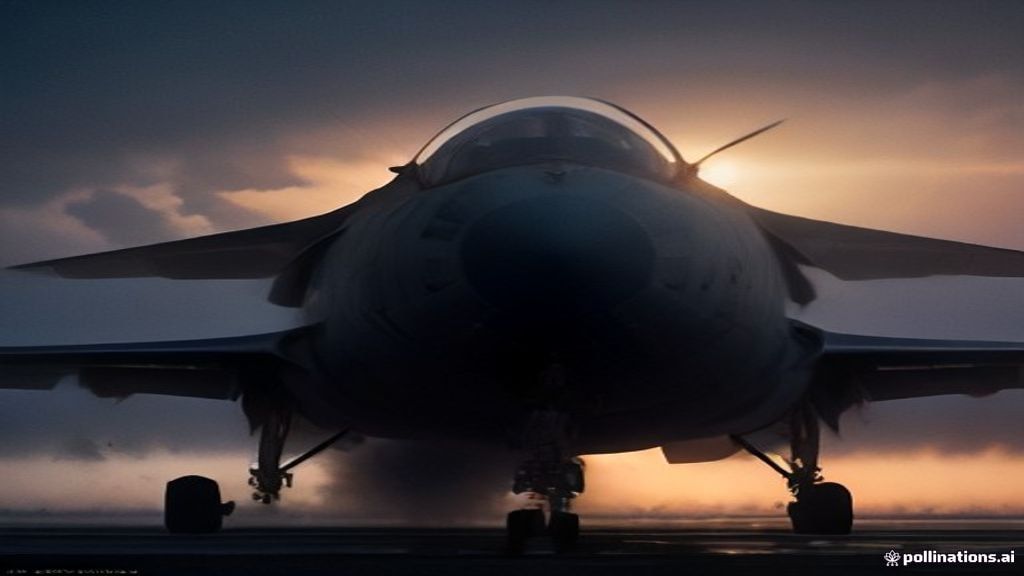
The most striking consequence of this bombardment is the destruction of advanced American aviation assets. Reports indicate that at least eight F-15 fighter jets and an A-10 Thunderbolt ground-attack aircraft fell victim to the Iranian missile explosions. These aircraft, renowned for their crucial roles in maintaining air supremacy and providing close air support in the region, have suffered heavy damage that paralyzes their operational capabilities.
The destruction of these high-value military assets is not merely a financial loss; it is a profound geopolitical message. The successful strike in Jordan demonstrates that enemy projectiles possess the precision and range required to penetrate air defense systems previously deemed impenetrable. This brazen act places Washington in a highly volatile position, demanding a response that is both calculated and resolute.
Maritime Threats at Ports in Kuwait and Bahrain
Simultaneously, the escalation is not confined to the land and airspace of Jordan. The Iranian government has reportedly issued a stark warning to the crews of commercial and military tanker ships currently docked in the strategic ports of Kuwait and Bahrain. The stern directive instructs these vessels to immediately depart the Gulf region waters to avoid potential collateral damage or direct targeting.
This aggressive maritime posture adds a deeply concerning new layer to the complex Middle Eastern crisis. These waterways serve as the primary arteries for global oil trade. Any legitimate threat to tanker traffic has the potential to severely disrupt the global energy supply chain, which could trigger a massive spike in crude oil prices and destabilize an already fragile global economy. Major powers are now urgently evaluating the maritime risks posed by this open threat.
Geopolitical Fallout for Jordan and the Region
As the host nation for these US military installations, Jordan finds itself in an incredibly precarious position. Historically, the nation has worked diligently to maintain a delicate diplomatic balance in an inherently unstable region. However, having its sovereign territory utilized as a battleground for proxy warfare between Iran and the United States risks dragging Amman into an open conflict it desperately wishes to avoid.
International security analysts warn that should the United States opt for direct military retaliation, Jordanian territory might once again become the target of retaliatory strikes. Consequently, intensive diplomatic efforts are currently underway at the UN Security Council and among European allies to find an off-ramp, or at the very least, to prevent further destructive military escalation. The entire world is now anxiously awaiting the next moves from both Washington and Tehran, hoping that diplomacy can still prevail amidst the deafening roar of missiles.
Written by
Admin New
Admin • Total Kontribusi: 4495 artikel
Administrator of ModerNews
Reader discussion
Komentar (0)
Share your thoughts respectfully.