Microplastics Crisis: Tons Pollute Nature

Admin New

Daftar Isi
The Invisible Environmental Crisis: Microplastics Pollution
Microplastics have rapidly emerged as one of the most pressing environmental challenges of the modern era. Recent comprehensive studies and nationwide environmental measurements reveal alarming statistics regarding the vast volume of synthetic polymers infiltrating our natural ecosystems. Advanced research indicates that approximately 219 tonnes of microplastics enter the environment annually in specific monitored European regions, highlighting a systemic global pollution issue that demands immediate scientific analysis and rigorous regulatory intervention.
Atmospheric Transport: Pollution Falling from the Sky
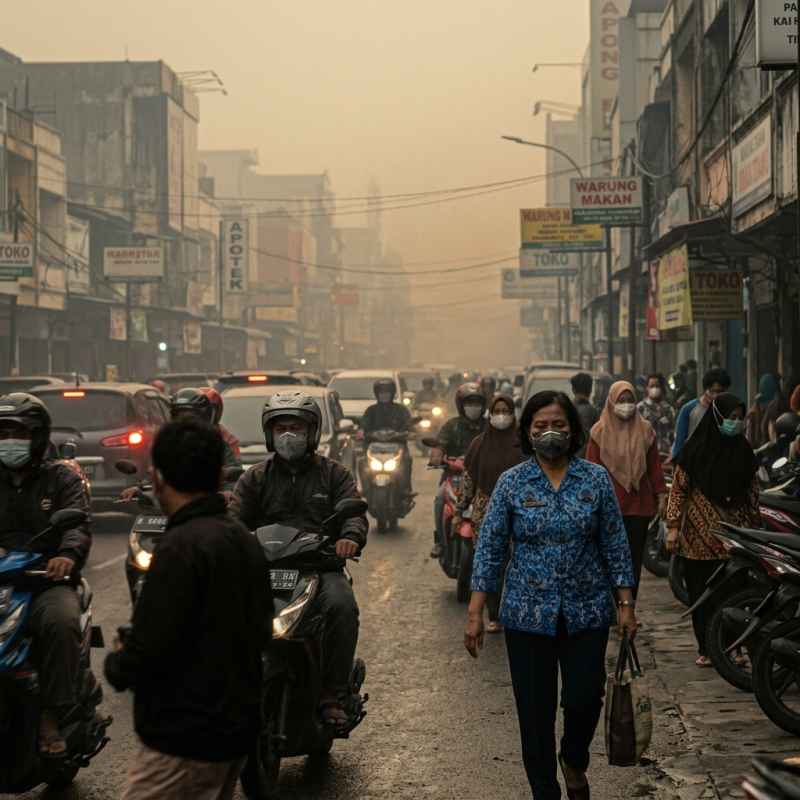
A groundbreaking discovery in recent environmental assessments is the primary vector for this widespread pollution. Contrary to the traditional assumption that waterways are the main transport mechanism, empirical data now shows that around 200 tonnes of microplastics land in soils and aquatic systems annually directly from the atmosphere. These airborne particles, originating heavily from vehicular tire wear, road dust, synthetic textiles, and the degradation of macroplastics, are carried by complex wind currents and deposited globally through precipitation like rain and snow. This atmospheric deposition makes even remote, alpine, and seemingly untouched environments highly vulnerable to synthetic contamination.
Wastewater Treatment: A Surprising Mitigation Success
In stark contrast to the high atmospheric fallout, comprehensive nationwide measurements conducted recently in Switzerland demonstrate a surprisingly low microplastic input originating from municipal wastewater treatment plants. Advanced filtration technologies, chemical flocculation, and modern biological treatment stages effectively capture a vast majority of microplastic fibers and fragments before the treated effluent is discharged into natural rivers and lakes. This critical finding indicates that while waterborne point-source pollution is being effectively managed by advanced infrastructure, airborne non-point source pollution remains largely unmonitored and unchecked.
Ecological and Health Implications
The continuous accumulation of microplastics in agricultural soils and freshwater reservoirs poses profound risks to both ecological stability and broader food chain security. Vital soil fauna, such as earthworms and microorganisms, inadvertently ingest these synthetic particles, which disrupts their digestive systems and degrades overall soil fertility. Furthermore, microplastics act as highly effective vectors for toxic chemical pollutants and heavy metals, absorbing these hazardous substances from the surrounding environment and introducing them into the terrestrial food web. As these particles physically fragment into even smaller nanoplastics, their potential to cross critical biological barriers, including cellular membranes in agricultural crops, increases significantly.
Future Perspectives and Necessary Policy Actions
Effectively addressing the microplastics crisis demands an urgent paradigm shift in both material science and urban infrastructure planning. The dominant contribution of tire wear to atmospheric microplastics necessitates the rapid development of more durable, biodegradable rubber alternatives for the automotive industry. Additionally, broader legislative implementation of emission control systems directly at the source, such as mandating improved micro-filters in commercial and residential washing machines for synthetic textiles, is absolutely crucial. Regulatory frameworks must evolve rapidly to establish stringent legal limits on microplastic emissions, mirroring the successful historical regulation of atmospheric pollutants like sulfur dioxide. Only through coordinated, data-driven global action can we successfully mitigate this pervasive ecological threat.
Written by
Admin New
Admin • Total Kontribusi: 4495 artikel
Administrator of ModerNews
Reader discussion
Komentar (0)
Share your thoughts respectfully.