Iran-Oman Diplomacy Shakes Hormuz Strait

Admin New
Daftar Isi
The international community is currently focusing its undivided attention on the developing geopolitical negotiations involving Iran and Oman. High-level talks between the two nations have brought both a breath of fresh air and renewed concerns regarding global security and economic stability. One of the main focal points generating intense discussion across various sectors is the potential implementation of a transit ban for military vessels in the highly contested Strait of Hormuz.
The Strategic Importance of the Strait of Hormuz
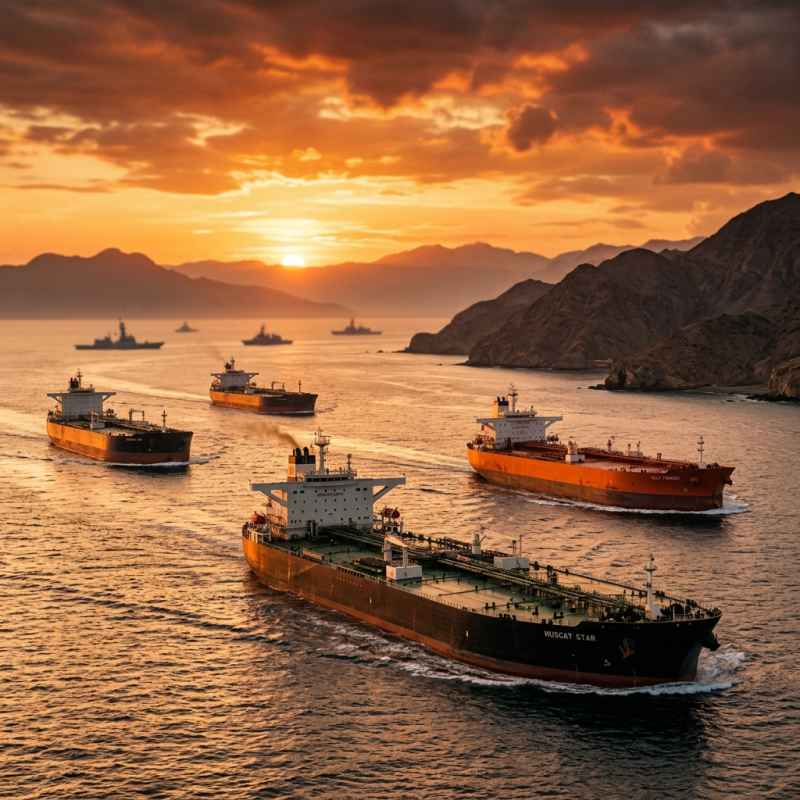
The Strait of Hormuz is not just an ordinary body of water. This region serves as the primary jugular vein for global energy distribution, where millions of barrels of crude oil pass through every single day. The proposed restriction of access for military fleets aims to minimize the escalation of armed tensions that have frequently triggered open conflicts in the past. By prioritizing a purely commercial route, Iran and Oman hope to create a navigation zone that is much more stable, secure, and predictable for international cargo ships.
The Proposed Ban on Military Ships
The diplomatic steps being taken have raised the proposition that ships flying foreign military flags might face stringent new regulations or even a complete transit ban. This policy is widely regarded as a strategic maneuver designed to assert regional sovereignty while simultaneously diminishing Western military influence in the area. For many defense analysts, this proposed ban on military vessels signifies a monumental shift in power dynamics, indicating that nations surrounding the Persian Gulf are beginning to take absolute control over their maritime security without relying on external intervention.
Tariff Sharing Schemes and Trump's Reaction
Beyond the realm of security, these critical discussions also touch upon major economic agreements. Reports have circulated suggesting that Iran and Oman have reached a preliminary understanding regarding the revenue sharing of transit tariffs applied to commercial vessels crossing the Strait of Hormuz. This unprecedented new economic policy immediately triggered a sharp response from Washington. Former United States President Donald Trump reportedly issued harsh remarks. He fiercely insisted that the international waterway must remain completely open without preconditions, adamantly rejecting unilateral levies that could potentially harm United States allies operating in the region.
Direct Impact on Global Oil Prices
The lingering uncertainty shrouding these negotiations has delivered a palpable shockwave through the energy commodity markets. Oil investors and speculators appear to be adopting a highly cautious approach. This sentiment is clearly reflected in the downward trend of global crude oil prices, which have experienced a consecutive decline over the past four days. Market participants are anxiously awaiting the final outcome of the intricate diplomacy unfolding between Iran and Oman.
This price drop is largely considered a temporary, reactionary phase. The market generally expects that if a peaceful resolution is achieved and supply routes remain unhindered by the provocative presence of military vessels, the global energy supply will remain perfectly secure. Conversely, if political rhetoric intensifies and triggers a physical blockade, global energy costs could skyrocket dramatically within a very short timeframe. The unfolding dynamics vividly demonstrate the extreme vulnerability of the global economy to military issues.
Written by
Admin New
Admin • Total Kontribusi: 4495 artikel
Administrator of ModerNews
Reader discussion
Komentar (0)
Share your thoughts respectfully.