Indonesia's Electric Vehicle Shift

Admin New
Daftar Isi
The shift from internal combustion engines to electric vehicles is becoming an undeniable reality across Indonesia. This trend is gaining significant momentum as sudden fluctuations in fuel prices compel citizens to seek out more economical and environmentally friendly transportation alternatives. However, the transition toward full electrification is not an entirely smooth journey. A fascinating dynamic has emerged between the soaring public interest in green technology and the practical on-the-ground realities that often cause consumers to hesitate before abandoning their trusted petrol-powered cars and motorcycles.
High Public Interest Amidst Surging Fuel Prices
Recent surveys and market reports reveal that the allure of electric vehicles is exceptionally strong among the Indonesian populace. Comprehensive survey data indicates that 7 out of 10 people harbor a significant interest in adopting electric vehicles for their daily commute. This impressive statistic reflects a growing public awareness of the critical need to reduce carbon emissions, as well as a pragmatic desire to discover long-term solutions for cutting down everyday operational expenses.
This progressive sentiment is further validated by clear regional trends. For instance, in cities like Balikpapan, local residents are increasingly exploring the prospect of purchasing electric motorcycles. The recent spikes in conventional fuel prices have acted as a primary catalyst for this behavioral shift. The middle-class demographic, which relies heavily on daily independent mobility, directly feels the financial pinch of expensive petrol. Consequently, electric motorcycles are increasingly viewed as a smart, cost-effective solution, given that the price of charging a battery is substantially lower than purchasing fossil fuels. The transition among motorcycle users appears to be accelerating much faster than cars, largely due to the affordability of electric two-wheelers and recent supportive government incentives.
The Hesitation: Why Petrol Cars Still Rule
Despite this overwhelming interest, consumer research uncovers a noticeable paradox. A comprehensive study released by Deloitte sheds light on the primary reasons why many Indonesians have not yet fully moved on from petrol cars. The main barrier preventing a mass exodus from fossil fuels is not a lack of consumer desire, but rather legitimate concerns regarding the supporting ecosystem and charging infrastructure, which are currently perceived as inadequate for long-distance travel and seamless daily utility.
Charging Infrastructure and Range Anxiety
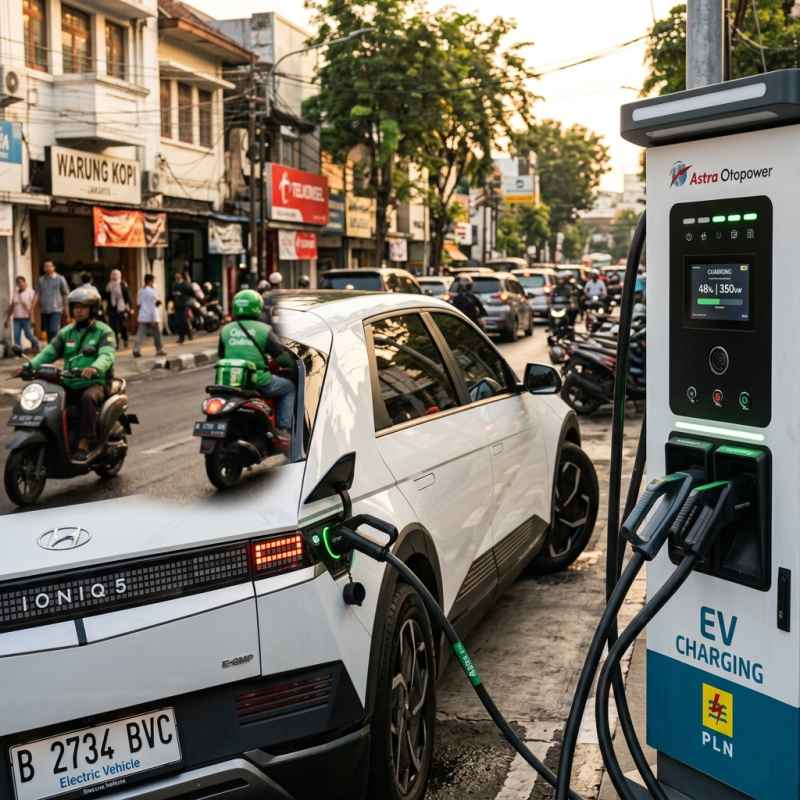
One of the most profound psychological hurdles slowing down EV adoption is range anxiety. Drivers of conventional vehicles are accustomed to finding petrol stations on nearly every street corner and rural highway. In stark contrast, public EV charging stations are still predominantly concentrated in major metropolitan centers or specific locations along major toll roads. For individuals who frequently travel between cities or to distant provinces, this lack of ubiquitous charging infrastructure serves as a dealbreaker that halts their purchasing intent.
Furthermore, the steep upfront cost of electric cars continues to classify them as luxury investments for the vast majority of the population. While the day-to-day running costs are unarguably low, the depreciation of battery health and persisting uncertainties regarding secondary market resale values heavily influence consumer financial calculations. The main battery pack remains the most expensive component, leaving potential buyers skeptical about its economic lifespan and the availability of reliable aftermarket support.
Paving the Road to a Zero-Emission Future
Moving forward, establishing a robust and dependable EV ecosystem requires intense synergy between government entities, automotive manufacturers, and infrastructure providers. Public education campaigns focusing on the overall total cost of ownership of electric vehicles must be expanded. The comprehensive development of local battery manufacturing and the widespread installation of fast-charging stations will be the ultimate keys to converting this high public interest into concrete electric vehicle adoption.
Written by
Admin New
Admin • Total Kontribusi: 4495 artikel
Administrator of ModerNews
Reader discussion
Komentar (0)
Share your thoughts respectfully.