Fuel Prices Remain Stable Amid Oil Volatility

Admin New
Daftar Isi
Fuel Prices Ensured to Remain Stable
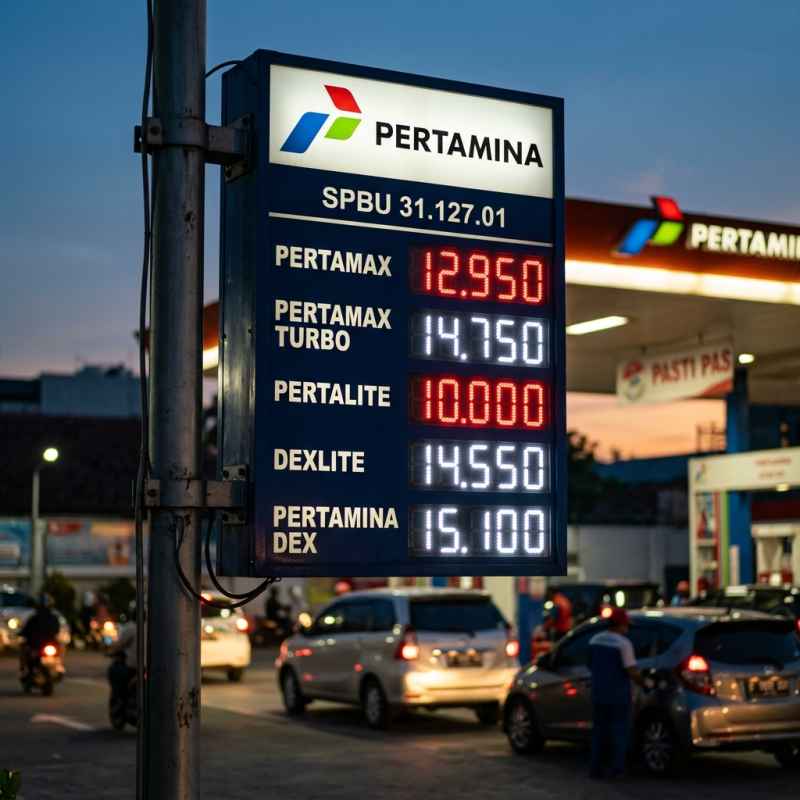
The government, alongside major players in the Indonesian oil and gas industry, recently released the updated list of fuel prices applicable across all public refueling stations (SPBU) in the country. Based on the official announcement, fuel prices at Pertamina, Shell, and BP stations are confirmed to remain stable without any price hikes. This decision comes as a massive relief for the general public amid various economic dynamics and the fluctuating prices of energy commodities in the international market.
This price stability undoubtedly provides much-needed breathing room for both the industrial sector and individual households. Given the vital role of fuel as the lifeblood of logistics and transportation, any alteration in pricing inevitably brings a direct impact on the purchasing power of citizens. The decision to maintain current price levels strongly reflects the government's steadfast commitment to keeping domestic inflation under control and protecting national economic stability from external shocks.
Global Crude Oil Volatility
In the global arena, world oil prices are currently experiencing significant volatility. Various geopolitical factors, rising tensions in major oil-producing regions, and sudden shifts in production quotas from OPEC+ member states have triggered sharp fluctuations. Although benchmark crude prices such as Brent and West Texas Intermediate (WTI) continue to move dynamically, the Indonesian domestic market appears to have been successfully shielded from this severe volatility.
Many economic observers note that restraining fuel prices amidst a trend of rising global oil prices is no easy feat. This policy demands a carefully calculated subsidy strategy and improved efficiency in the supply chain from fuel providers, particularly state-owned enterprises like Pertamina. Meanwhile, private multinational companies like Shell and BP have also adjusted their pricing strategies to remain competitive in the Indonesian market, ensuring that consumers have diverse choices without fearing sudden price spikes.
Positive Impact on the Transportation Sector
For the transportation and logistics sectors, stable fuel prices serve as a crucial factor in planning long-term operational costs. Freight transport vehicles, passenger buses, and ride-hailing services heavily rely on price predictability. If fuel prices were to fluctuate wildly, distribution costs would swell, which would ultimately trigger a spike in the prices of basic commodities. Therefore, the official price announcement effective July 27, 2026, provides much-needed economic and legal certainty for business operators.
Furthermore, everyday private vehicle users also experience immediate benefits. Monthly transportation expenditures can be calculated with greater precision and confidence. The government hopes that with this price certainty, domestic consumption will remain robust, thereby driving sustainable economic growth into the forthcoming fiscal quarters.
Future Projections and Expectations
Looking ahead, the challenge of maintaining fuel price stability will perpetually exist. The country's reliance on imported crude oil requires the government to continuously monitor global price movements in real-time. However, for the time being, the policy of keeping prices steady is a highly tactical and appropriate move. The collaboration between state-owned enterprises like Pertamina and private multinational corporations such as Shell and BP proves that the energy industry in Indonesia is capable of creating a resilient and consumer-friendly ecosystem.
In conclusion, the announced stability of fuel prices is not merely numbers displayed at gas stations; it is a clear representation of the extraordinary efforts made by the government and corporations to safeguard the economic well-being of the people. Citizens are strongly encouraged to continue using fuel wisely and transition to public transportation whenever possible. Energy efficiency is a collective responsibility, and with smart fuel consumption management, national energy security will grow even stronger, ensuring future generations can enjoy adequate resources at reasonable and affordable prices.
Written by
Admin New
Admin • Total Kontribusi: 4505 artikel
Administrator of ModerNews
Reader discussion
Komentar (0)
Share your thoughts respectfully.