Forest Fires Crisis: Trillions Lost in Haze

Admin New
Daftar Isi
The Escalating Forest Fire Crisis in September
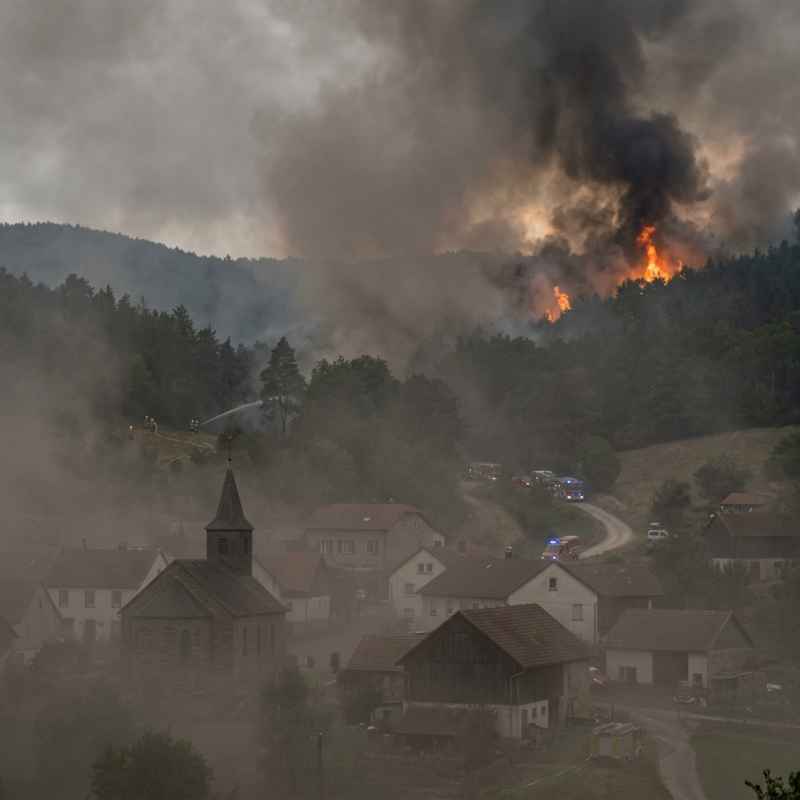
Forest and land fires, commonly known as karhutla, have once again escalated into a severe national crisis threatening Indonesia and its neighboring regions. As we progress deeper into September, meteorological forecasts warn that the intensity of these hotspots could worsen significantly. The immediate consequence is a thick, choking haze and a massive surge in carbon emissions that severely degrade air quality. This ongoing disaster has transcended basic environmental boundaries to become a highly complex, multidimensional crisis that is actively paralyzing daily life across numerous provinces.
Recent comprehensive reports reveal that extreme dry weather conditions, combined with highly irresponsible land-clearing practices, have drastically accelerated the spread of these fires. This devastating phenomenon not only destroys local biodiversity but also releases immense volumes of greenhouse gases into the atmosphere, directly fueling global climate change. Skies that were once bright and clear are now permanently shrouded in a toxic blanket of smoke, heavily restricting visibility and forcing millions of citizens to inhale hazardous, life-threatening air day after day.
Trillions Lost and a Tragic Human Toll
The economic ramifications of this relentless haze crisis are nothing short of catastrophic for the nation. Experts suggest that the financial damages caused by the widespread fires will easily run into the tens of trillions of rupiah. Daily commerce, commercial aviation, logistics, and the regional tourism industry have all suffered tremendous setbacks due to flight cancellations and hazardous outdoor conditions. Moreover, productive agricultural lands have been reduced to barren ashes, abruptly destroying the livelihoods of thousands of local farmers who strictly depend on these natural environments for survival.
Beyond the devastating economic destruction, the human toll of this widespread tragedy is deeply heartbreaking. The fires have mercilessly claimed numerous lives, including those of brave civilian volunteers who tragically perished while attempting to extinguish the raging flames on the dangerous front lines. Their ultimate sacrifice highlights the extreme hazards of these uncontrollable fires and serves as a grim, undeniable reminder of the high cost of environmental negligence and inadequate disaster response infrastructure.
The Double Burden on Vulnerable Communities
Hidden deeply behind the dense, toxic smog is a devastating reality for the most vulnerable and marginalized members of society. Young children, the elderly, pregnant women, and low-income families are systematically carrying a heavy double burden. These specific demographic groups face immense difficulties in safely accessing adequate healthcare facilities when severely struck by acute respiratory infections (ARI) and other chronic smog-related illnesses.
This dire emergency is further exacerbated by systemic economic inequality. Vulnerable populations completely lack the financial means to purchase essential protective gear, such as N95-rated masks or expensive indoor air purifiers. Their simple homes are fundamentally unable to keep the toxic outdoor smoke from entering, forcing them to endure deeply inhumane living conditions. It is absolutely critical for governmental bodies and humanitarian organizations to prioritize the rapid distribution of medical aid, clean drinking water, and oxygen supplies to these heavily impacted, remote communities.
Urgent Mitigation and Strict Law Enforcement
To effectively combat this escalating environmental disaster, strict and uncompromising law enforcement against massive corporations and individuals directly responsible for illegal land burning must be heavily enforced immediately. There is zero room for leniency when widespread public safety is entirely at stake. Collaborative mitigation efforts—from actively deploying advanced satellite technology for real-time hotspot monitoring to heavily increasing aerial water-bombing operations—are urgently required to contain the aggressive spread.
Furthermore, long-term educational and operational campaigns regarding the catastrophic dangers of slash-and-burn agriculture must be aggressively expanded. Restoring and permanently rewetting damaged natural peatlands will directly serve as a vital defense mechanism to prevent future catastrophes. It is time for a strongly unified national response to ensure that the fundamental human right to breathe clean, unpolluted air is fully restored and permanently protected for generations to come.
Written by
Admin New
Admin • Total Kontribusi: 4495 artikel
Administrator of ModerNews
Reader discussion
Komentar (0)
Share your thoughts respectfully.