DTKS Guide 2026: Register for Social Aid Now

Admin New
Daftar Isi
Indonesia’s social assistance framework is undergoing a major technological overhaul, placing the Integrated Social Welfare Data system, locally known as DTKS, at the forefront of public interest heading into 2026. As a centralized database tracking economically vulnerable households, DTKS serves as the backbone for all government welfare programs. With shifting economic conditions, the Ministry of Social Affairs has introduced a highly transparent, digital-first approach to ensure every allocated rupiah reaches those who genuinely need it.
The Role of DTKS in Modern Social Welfare
At its core, DTKS consolidates socioeconomic indicators from across the archipelago into a single, continuously updated registry. This integration eliminates redundant applications and prevents overlapping benefit distributions. For 2026, the government has shifted focus toward dynamic data management, introducing a tiered economic classification known as "desil" (decile). Households ranked in decile 1 through 3 are automatically flagged for priority assistance. The new digital ecosystem allows citizens to instantly verify their classification, reducing anxiety and misinformation regarding eligibility criteria.
Digital Platforms and Public Participation
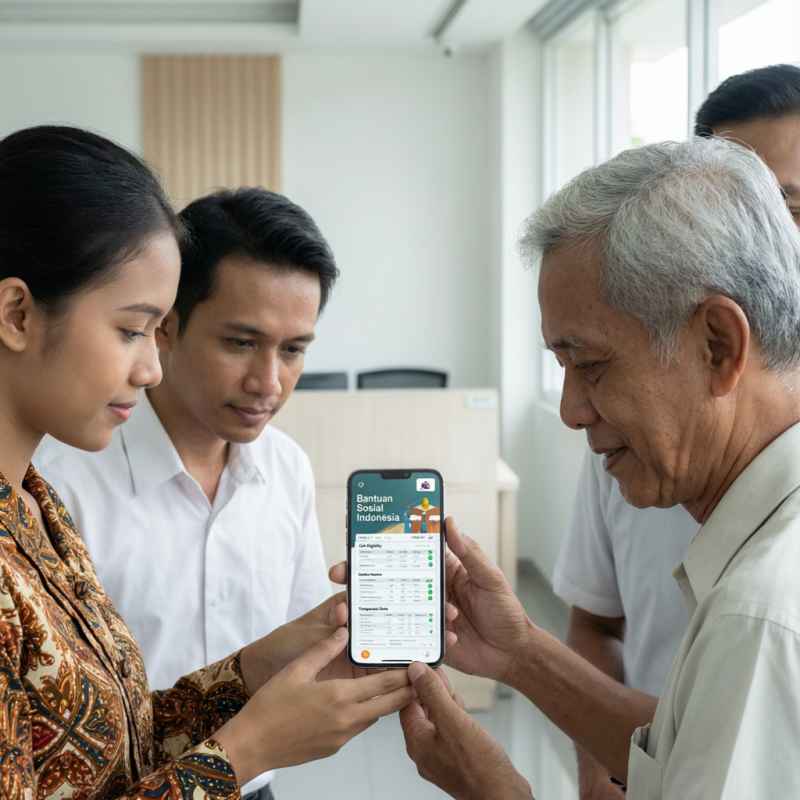
A standout innovation for the upcoming year is the launch of a comprehensive digital application that goes beyond simple status checking. Citizens can now formally submit appeals or propose new beneficiaries directly through the platform. This participatory model transforms passive aid recipients into active stakeholders of the national welfare system. If a family qualifies but remains unregistered, or if inaccurate data persists in the system, the official grievance mechanism provides a direct channel for correction. Such transparency is crucial for maintaining public trust and optimizing national budget allocation.
Step-by-Step Registration Guidelines
The 2026 registration process offers flexibility to accommodate diverse community needs. For tech-savvy applicants, the digital route requires visiting the official ministry portal or downloading the authorized mobile application. Users must complete a structured digital form and upload verified identification documents, including household registry and national ID cards. Automated cross-verification algorithms then validate the submission against existing databases. Alternatively, traditional offline registration remains fully operational through local village or sub-district administrative offices. Designated field officers assist applicants in manual data entry, ensuring equitable access for digitally underserved regions.
Ensuring Accuracy and Accountability
Achieving targeted assistance requires relentless commitment to data integrity. Local authorities have been equipped with specialized training and auditing tools to conduct routine ground verification. Community leaders, neighborhood heads, and independent observers play a vital role in monitoring distribution channels. Any discrepancies can be reported via dedicated hotlines, triggering immediate administrative review. By embracing technological modernization alongside community-driven oversight, Indonesia’s social protection system is poised to set a new regional standard for efficiency, transparency, and human-centered development.
Written by
Admin New
Admin • Total Kontribusi: 4505 artikel
Administrator of ModerNews
Reader discussion
Komentar (0)
Share your thoughts respectfully.